

The Steak That Should Have Been Graded Out
A shopper found what looked like an abscess in a supermarket steak. Coles says it should have been graded out. At the gate, the distance is a handshake.
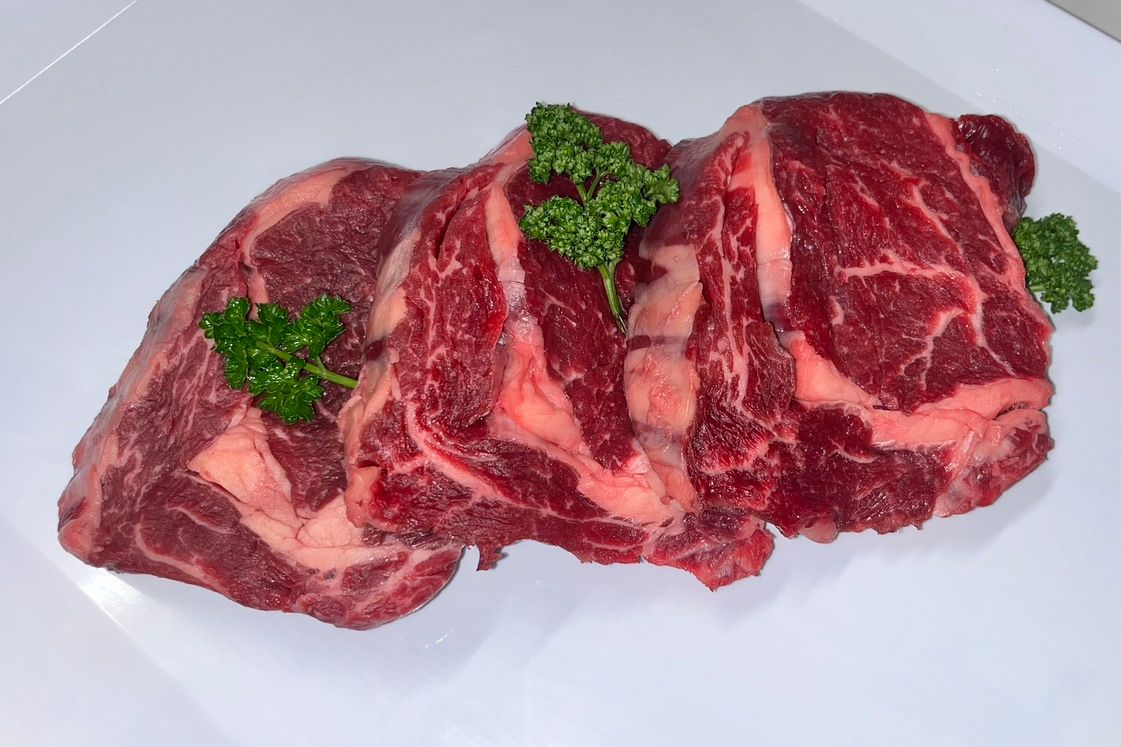
Yahoo News Australia ran a story last week that I haven't stopped thinking about. A shopper named Sharron Taylor bought a slow cook chuck steak from Coles, a Drovers Choice one, and found what looked like an abscess in it. A food safety expert, Edward McCartney, looked at the photo and said it appeared consistent with an enlarged lymph node with a localised abscess, the kind of thing that could cause food poisoning if it were eaten. He called it a significant quality control failure.
Coles is investigating with its supplier, and to their credit they said it plainly: the piece "should have been graded out during the production process." I believe them. That's exactly the problem.
Think about how many hands a supermarket steak passes through. A chain like that runs through some or all of paddock, abattoir, boning room, packing line, distribution centre, truck, cold room, shelf. Coles' own account is that this piece should have been caught during production. It still reached a shelf. And nobody at a checkout could tell you which animal your steak came from or which paddock that animal stood in. When something slips through a chain that long, you find out from a news article, months later, if you find out at all.
This isn't a pile-on. Grading mistakes can happen anywhere meat is processed, and one bad steak doesn't mean the meat aisle is dangerous. The point is distance. The further your food travels from the person who produced it, the more your trust has to rest on systems instead of people. Most of the time the systems work. When they don't, there's nobody to look in the eye.
At a farm gate the distance is a handshake. The person taking your money raised the animal. Ask which paddock, or what it ate, or when it was processed, and you get answers on the spot, because it's theirs, and they'll be standing at that same gate next Saturday answering to the same faces. That doesn't make farm gate meat magically perfect. It means when you have a question, you know exactly who to ask, and they know exactly what they sold you.
If you want to see how meat actually works at the gate, deposits and weigh ins and all, we walked through it in selling meat by weight at the farm gate. And if the bigger label trust question is bugging you, that's the thread we pulled in when the label can't be trusted, ask the person who made it. Sellers who list meat on SideStall get compliance prompts built in as they list, and buying direct still works the way it always has, cash at the gate included, if that's how the seller runs things.
Open the map, see who's raising meat near you, and ask them anything you like.
Source: "Coles meat under investigation after shopper's worrying find: 'Unacceptable'", Nikitha Martins, Yahoo News Australia, 19 August 2026.
Cover photo by L&M Ag Beef & Lamb Organically Farmed, Balhannah SA.