

The ACCC Has Taken Twelve Egg Producers to Court
The ACCC alleges twelve egg producers and suppliers coordinated on supply for years. What it alleges, and what a farm gate does not fix.
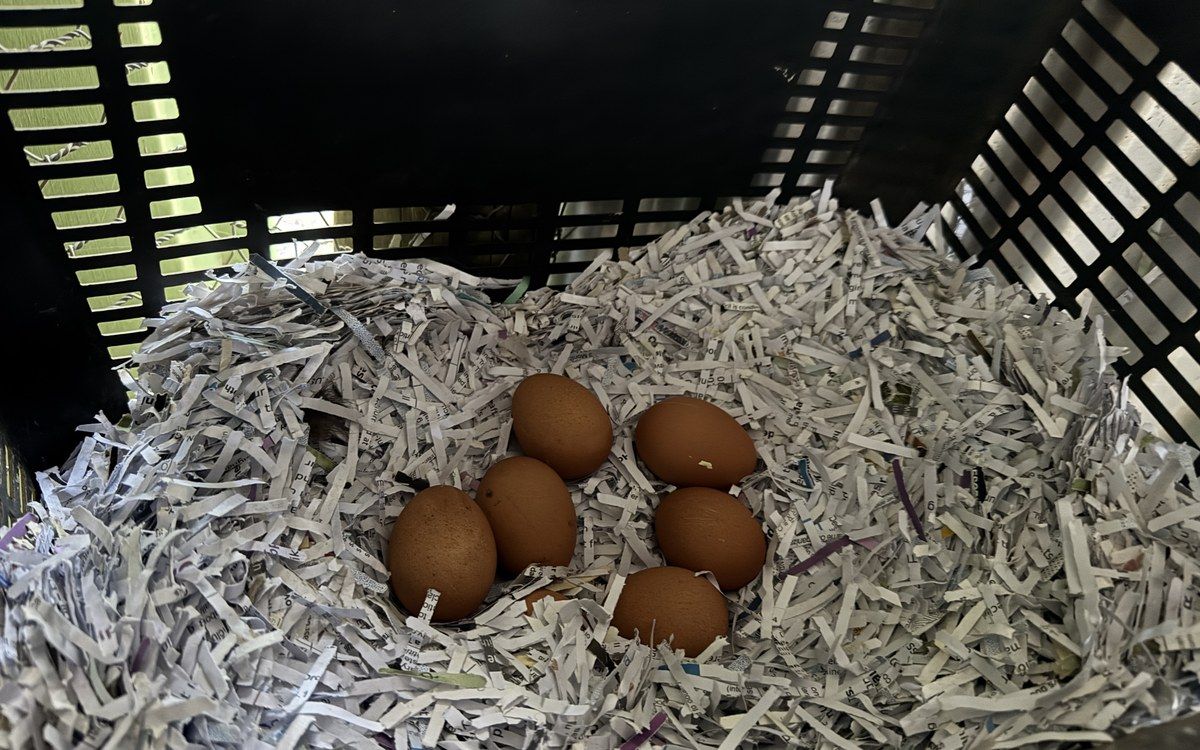
The ACCC filed civil proceedings in the Federal Court on Tuesday 13 October against twelve egg producers and suppliers. What it alleges is that since at least October 2020 they coordinated on a run of business decisions: how many eggs to produce, how they got distributed, which retailers each business could supply, plans to expand, and when to cull birds. The ACCC says the point of it was managing what the industry saw as oversupply, and that it likely reduced competition substantially for years.
None of that’s been tested in court yet. Australia’s largest egg supplier is one of the twelve and says it denies the allegations and intends to defend them. The ACCC’s after declarations, penalties, injunctions and costs. These things take a long time.
The bit of this case that’s a first
Alongside the cartel allegations the ACCC has alleged a concerted practice, and it says that’s the first time it’s run that allegation since the prohibition came in back in 2017. A concerted practice, the way the ACCC puts it, involves cooperation between businesses that goes beyond them acting independently in response to market conditions. Whether the ACCC can make that out here is the question in front of the judge, and it isn’t one I can answer.
The allegation that isn’t really about the court case
The line that stuck with me is a bit of background. The ACCC alleges the egg industry is highly concentrated, a small number of large suppliers with significant barriers to entry and expansion. That’s an allegation too, not a finding, and the companies get to answer it.
But set the case aside for a minute and just take the description. If egg supply in this country really does run through a small number of large businesses, then a small grower with eggs to sell has a long road ahead before anyone knows they exist. The same release notes Australians get through an average of more than 250 eggs each a year, so if that description holds up, that is a lot of eggs moving through not many hands.
Where the farm gate comes into it
Barely at all, is the short answer. A map of roadside stalls has no bearing on how wholesale egg supply to the big retailers works, and whatever the court makes of this, it won’t be an app that settles it.
What the gate changes is smaller and closer to home. There’s nobody in between. You can ask what the hens are fed, how much room they’ve got and when the eggs were collected, and whoever’s answering you was standing there when it happened. Someone with a dozen chooks and a sign at the end of the driveway was never part of any of this.
And the carton
We wrote back in July about what free range actually allows, which is up to ten thousand hens a hectare under the standard that came in in 2018. That’s not a scandal, it’s just the rule, and it’s a fair way from the picture most people have in their head. Worth knowing the ACCC says the alleged conduct covered free-range, cage and organic eggs alike, so none of this turns on which carton you were reaching for.
And if you’re the one with the chooks and you’ve been thinking about putting a sign out, we’ve written the South Australian rules out plainly: selling eggs at the gate in SA.
For the record, none of this is settled. The ACCC’s made allegations, twelve companies will answer them, and a judge decides which of it stands. I’m not going to pretend I know how that goes. In the meantime, if you’d rather get your eggs off someone you can actually talk to, have a look at what’s near you.
Sources: ACCC media release, 13 October 2026. ABC News, Emma Field, 13 October 2026.