

So What’s the Catch With Putting Your Market on SideStall?
No subscription for market organisers and free set-up for stallholders. Where SideStall’s money does come from, and how to get your market on the map.
“So what’s the catch?”
It’s the first thing market organisers ask me when I tell them their market goes on SideStall for free. Fair enough too. Most of us have signed up for something free and found out later what free meant.
The honey nobody knows about
There’s a stall near my place in the Adelaide Hills with a hand-painted sign, a tin for coins, and the best honey I’ve ever had. I’d bet most people drive straight past it, not because the honey isn’t good, but because nobody knows it’s there.
That’s the whole reason SideStall exists. Good food grown close to home is easy to miss if you don’t happen to drive past at the right moment, which is how this all started for me in the first place.
Markets are where people already go
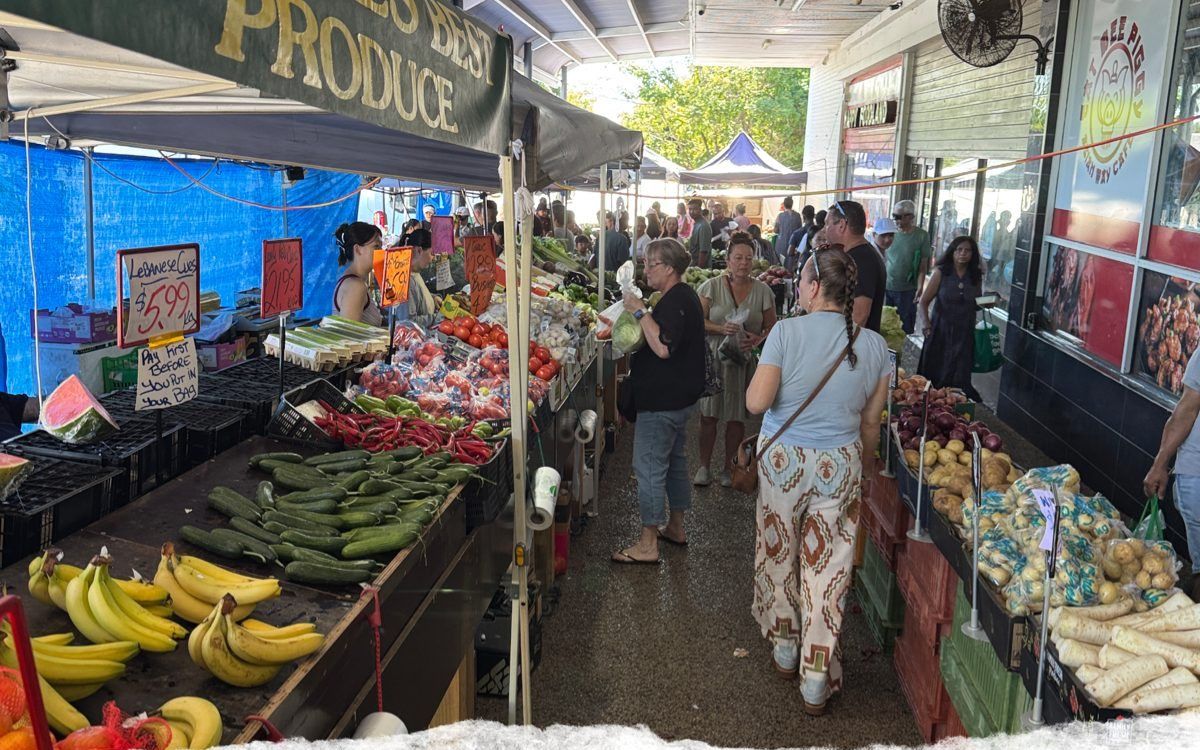
Farmers markets have half of this sorted already. People turn up on market day wanting to buy local, and the organisers do a lot of chasing to make it happen, then hope for sunshine on the day.
What a market doesn’t always have is a way to be found between market days, or a way for shoppers to keep up with the stalls once they’ve gone home.
Why it’s free for your market
There’s no subscription for the organiser tools, and it’s free for your stallholders to set up their stalls. A committee shouldn’t have to pay to tell people when the next market is on.
Charging would also shrink the map. A subscription is one more thing a committee has to argue for, and a market that doesn’t join is one less place for locals to find good food. The more markets on the map, the more useful it gets for whoever opens it next.
When someone finds your market on SideStall, they can find your stallholders too. They can see who grew what and, if a stallholder has a gate of their own, how to get there on a day that isn’t market day.
What you get as an organiser
Your market gets its own page on the map, with the next market dates worked out from your schedule, so you’re not re-posting them every week. You can post updates under the market’s name, and invite and approve the stalls that trade with you. I’ve written up what happens when your market joins, step by step, from the invite email to your first post.
So where does the money come from?
You should ask that of anything that says it’s free. When a buyer pays a stall through the app, there’s a small SideStall platform fee plus card processing. That’s much the same as other apps that put card payments through a third party. We use Stripe, and the card processing is what Stripe charges for moving the money. There’s no monthly fee to take payments on any plan, and there are optional paid plans for sellers who want more. Cash on the day works exactly as it always has. If you want the detail, how the fees work is all set out on the blog.
So the money comes from sellers who take payments through the app or choose a paid plan. Markets don’t pay to be on the map, and I’d rather it worked that way round.
SideStall is a community app, and it’s all about volume: small amounts from a lot of stalls. We’re not in this to become millionaires.
As I write this in October 2026, there are stalls on SideStall in every state. Markets have been bringing locals and growers together for years. We’d just like to help more people find them.
Getting your market on the map
If you run a market, I’d love to have it on SideStall. Fill in the short form at sidestall.au/list-your-market. The SideStall team reviews every market before it goes live, and we’ll be in touch. Then tell your stallholders it’s there.
Got a question? Email hello@sidestall.au. A real person will answer, and it’ll be me.