

The Only Import Anyone Routinely Tests
Buried in the food fraud coverage: honey is the only imported food routinely tested for adulteration, and only 5% of it. Everything else runs on trust.
The detail that stuck with me from the food fraud coverage wasn't a scandal at all. It was a line in the reporting about how imports get checked: honey is the only imported food Australia routinely tests for adulteration. Five per cent of it. Pretty much everything else arriving at the ports gets inspected too, at 100 per cent of consignments for the foods on the risk list until they build up a compliance history, and 5 per cent for the rest, but nothing except honey is routinely tested for adulteration, and testing for dangerous contaminants has reportedly declined since 2019.
Worth saying clearly: honey wasn't one of the foods the program's lab failed. It came up because of what the testing regime around it says about everything else. One food gets routine checks for being what it says it is. Other imports get inspected at a rate set by how risky the food is, and none of them get that adulteration test.
So why honey? Because worldwide, honey is one of the most faked foods there is, and it has been for years. The system tests honey because honey earned it.
And to be fair to the local shelf: when supermarket honey here was accused of being cut with syrup, the ACCC investigated and closed the matter in 2018 without the evidence to act, saying the test for adulteration was not reliable enough to base a case on. I wrote about this when I compared supermarket honey with a beekeeper's jar. The honest difference was never fake versus real. It's blended-for-sameness versus honey from one set of hives, in one place, during one flowering.
A jar with an address
A beekeeper's jar doesn't need a testing regime, because it doesn't have an anonymous supply chain to police. It has an address. The person who sells it to you ran the hives, knows what was flowering and when it was spun, and will happily tell you why this season's batch is darker than the last one. Try getting that from a barcode.
Beekeepers live on the map
When we last checked, on 26 September 2026, ten stalls on SideStall listed honey: eight in South Australia, one in Tasmania and one in Queensland. Five of them:
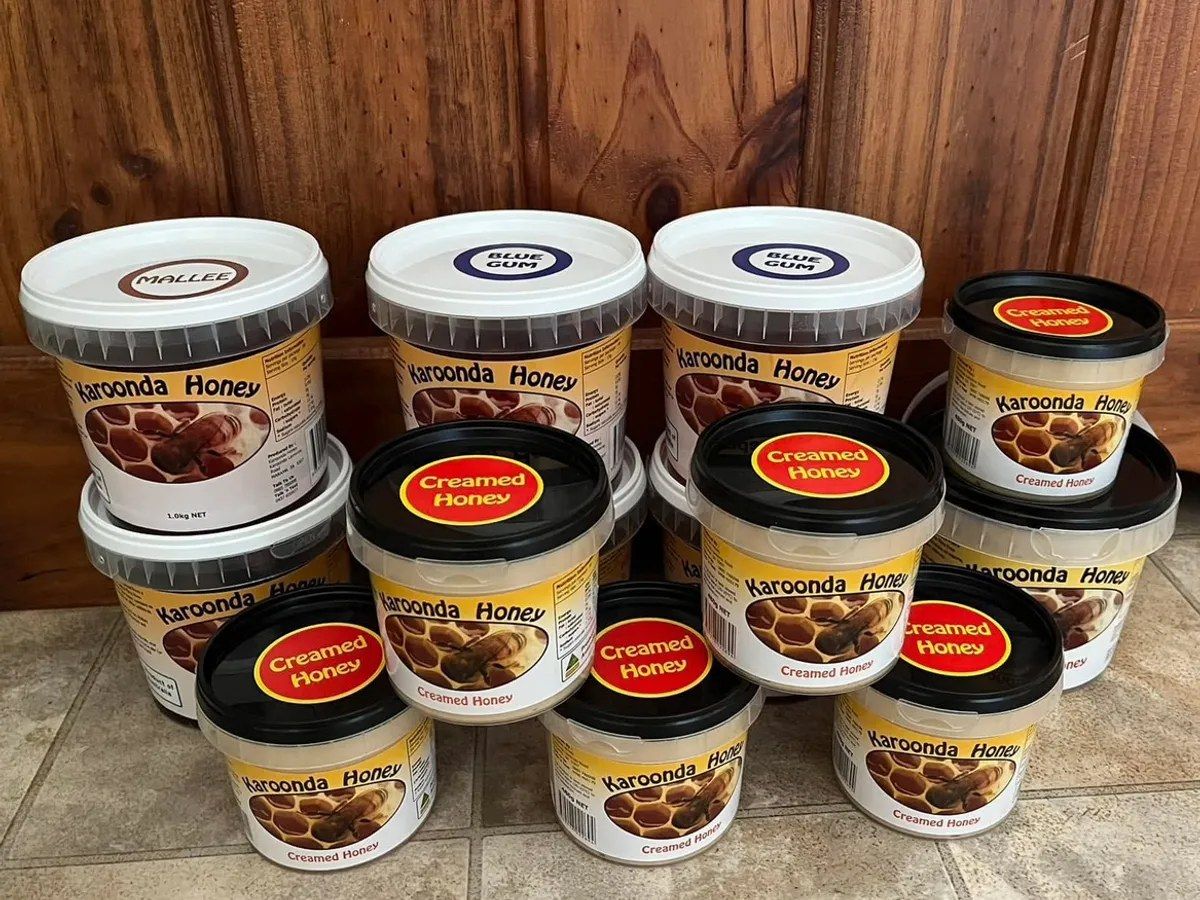
- Karoonda Honey near Callington SA
- Valley Blooms Honey at Auburn in the Clare Valley SA, which lists raw honey
- 3 Hives Apiary at Nuriootpa SA
- Fridge on Hicks near Yolla TAS, which lists leatherwood
- Tarigo Farm Stall at South Maclean QLD, which lists pure honey
If you keep bees and there is no stall near you, that list is a gap with your name on it. Listing a stall takes about ten minutes.
New here? SideStall is a free app that maps the farm gates, roadside stalls and honesty boxes near you. Get it for iPhone or Android.
For the record: the import-testing figures were reported alongside the ABC's Four Corners investigation in late July 2026; the earlier honey investigation finding is the ACCC's. Honey was not among the products the program's testing failed.
Download the SideStall app, free on iPhone and Android, and find the hives near you.
Keep bees? List your stall on SideStall. It's free to start, there's no monthly fee to take payments on any plan including Free, and a small SideStall platform fee plus card processing applies only when a buyer actually pays in the app. Set up your stall →
Cover photo: Karoonda Honey.