

Selling Home-Baked Goods in SA: The Rules in Plain English (2026)
Thinking of selling your baking in South Australia? Here is what the Food Act actually asks of you, in plain English, and who to ring before you start.
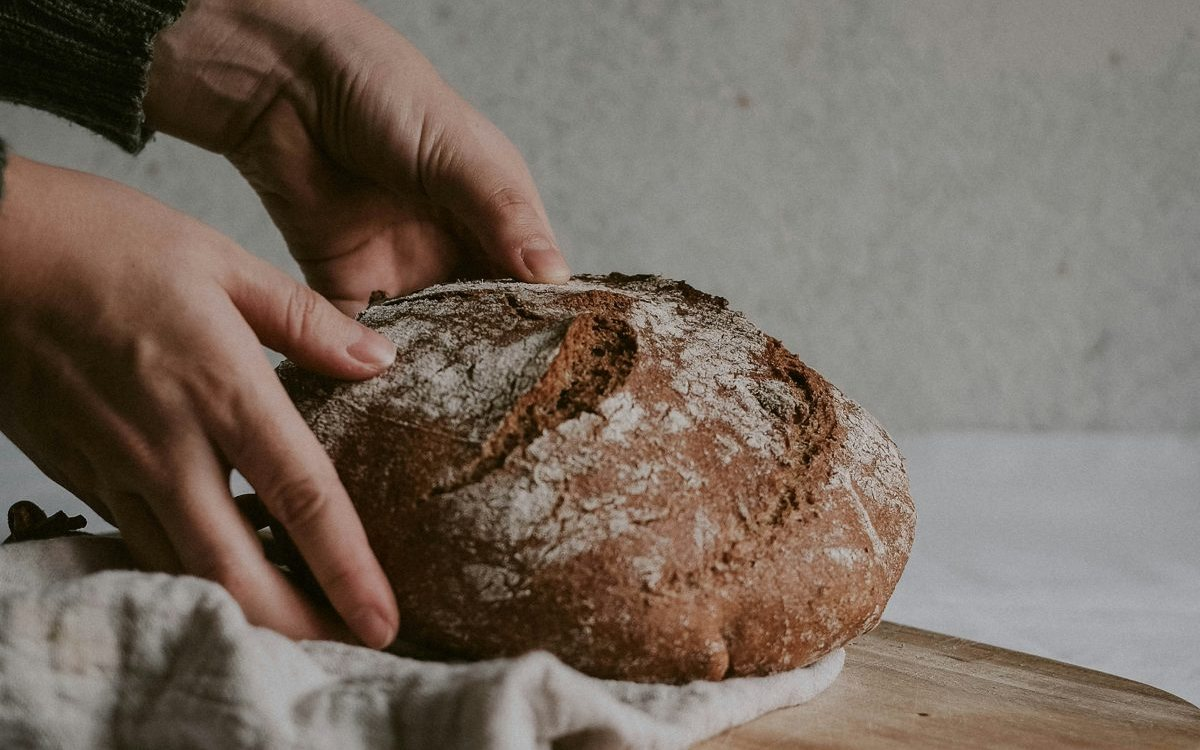
It is the most common question we get from people thinking about a stall: am I actually allowed to sell the things I bake?
The honest answer for South Australia is yes, plenty of people do it legally, but there is a step almost everyone misses, and the rule about your kitchen depends entirely on what you make. Here is the plain-English version.
One caveat first, and we mean it: this is a starting point, not legal advice. The final word usually belongs to your local council, because councils enforce the Food Act for most food businesses. If you are outside a council area, it is SA Health instead.
Do I need to tell anyone before I start?
Yes. This is the step people skip.
Under section 86 of South Australia's Food Act 2001, a food business must notify the enforcement agency before it opens. In practice that agency is usually your local council, and the people you speak to are the Environmental Health Officers.
Notifying is not the same as applying for permission, and it is not a trap. It is how the council knows you exist. SA Health's own advice is to contact your council's Environmental Health Officers well before you plan to open, because they will tell you what your particular product needs, which is much cheaper than finding out afterwards.
Can I bake in my own kitchen?
Often, yes, and this is the question people get most tangled up in, so it is worth being precise.
South Australia's rules turn on what you make rather than on how nice your kitchen is. Low-risk food can be prepared in a domestic kitchen, and a good deal of home baking is low risk. That is the exception a lot of people are already working under.
Where it changes is with food that needs temperature control to stay safe. Councils publish their own guidance here and it varies. The Eastern Health Authority, which handles food businesses for five councils in Adelaide's east, says every new food business handling potentially hazardous food needs a separate room or building, and that in most circumstances a separate food preparation area and facilities will be necessary.
So the practical question is not "is my kitchen good enough?" It is "is what I make low risk?", and that is the question to put to your council in those words.
What makes a food "potentially hazardous"?
Broadly, it is food that needs temperature control to stay safe. Think dairy-based fillings, custards, cream, cheesecakes, meat.
Shelf-stable baking usually sits at the other end: biscuits, plain cakes, breads and jam. A sourdough loaf and a cream-filled sponge are not the same product in the eyes of the Act, even if they came out of the same oven. Preserved vegetables are a different thing again. SA Health's food business risk classification puts vegetables in oil, and fermented ones like kimchi and sauerkraut, in its highest risk class, because the hazard there is botulism when the acidity is not right, and a recipe will not tell you the pH. Put anything like that on the list you read to your council before you make a batch.
This single distinction explains most of the confusion. Two home bakers get different answers from the same council, both tell their friends, and the story becomes "the rules are random." They are not random: the products were different.
Are the rules softer because I am small?
No, and this is worth knowing up front. Food Standards Australia New Zealand is explicit that home-based food businesses must meet the same food safety requirements as any other food business, regardless of size or how often they sell.
There is no hobby exemption that makes the safety rules go away. What scale does change is what is practical for you: a stall selling three loaves on a Saturday has a much simpler setup than a commercial bakery, but the standard for handling food safely is the same one.
What about labels?
Labelling is governed by the national Food Standards Code, and what you need depends on how you sell. Food sold unpackaged from a stall is treated differently from a packaged product on a shelf, and allergen information is not optional in either case.
Rather than guess from a blog post, ask your council to walk you through the label for your specific product. It is a five-minute conversation and it is the sort of thing that is far easier to fix before you print a hundred stickers.
So what does the process actually look like?
- Write down exactly what you plan to sell. Not "baked goods": the actual list, with fillings and ingredients. Every answer you get depends on this.
- Ring your council and ask for an Environmental Health Officer. Say you are planning a home-based food business and read them your list.
- Ask the two questions that matter: is any of this potentially hazardous, and can I prepare it in my domestic kitchen?
- Notify the council as required before you start selling.
- Ask about labelling for the way you intend to sell.
Most people find this less painful than they feared. Environmental Health Officers deal with home bakers constantly and would rather help you set up properly than catch you out later.
Then the easy part
Once you know what you can sell, the remaining problem is people finding you, and that is the part we built for.
Setting up a stall on SideStall is free to start. You list what you actually have, buyers nearby see you on the map, with one-tap directions to your gate if you show your exact address, and they can pay cash at the gate, or by card, Apple Pay or Google Pay in the app once you have finished the payment setup with Stripe. There is no monthly fee to take payments on any plan, including Free. A small SideStall platform fee plus Stripe processing applies only when a buyer actually pays, and cancelled or refunded orders in most cases cost you nothing; the FAQ covers who pays what.
Pre-orders are worth knowing about too if you bake in batches: someone reserves a loaf, you know it is sold before you turn the oven on.
Ready when you are: set up your stall →, free to start, and you can have your first listing up in a few minutes.
Buying rather than baking? Download the SideStall app, free on iPhone and Android, and see who is baking near you.
This post is general information about how the rules work, not legal advice, and it is not a substitute for talking to your council. Rules change; your Environmental Health Officer is the current authority.